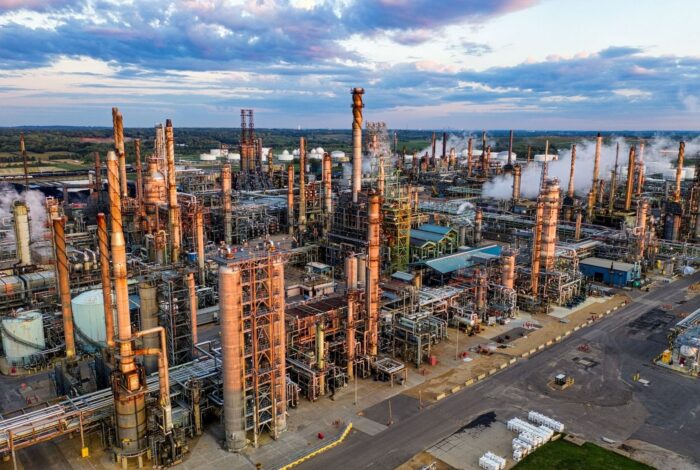
Aerial view of a sprawling industrial refinery with towers, pipes, and steam

The Refining Bottleneck: Why Subsidies Alone Won’t Break Mineral Processing Monopolies

The Refining Bottleneck and Why Subsidies Alone Will Not Break Mineral Processing Monopolies

The Illusion of Minehead Independence

Western governments and investors have poured capital into critical-minerals exploration, mine development, and upstream project financing. That activity is strategically important, but it does not by itself create supply-chain autonomy. A mine can produce concentrate, spodumene, brine, or mixed rare-earth material without producing the battery chemicals, separated oxides, or magnet-grade products required by manufacturers. The gap between extraction and usable industrial material remains the central weakness in many diversification strategies.

The decisive geopolitical friction point sits in the midstream. Refining and separation plants convert rock and brine into lithium hydroxide, nickel and cobalt chemicals, separated rare-earth oxides, and other specification-controlled products. These facilities depend on complex flowsheets, stable reagent supply, wastewater treatment, skilled operators, and years of process learning. A new mine may reach production while its intended refinery remains delayed, uneconomic, or technically unreliable.

Entrenched processing leaders benefit from more than low-cost labor or favorable financing. They operate within integrated chemical ecosystems that provide acids, solvents, energy, equipment, logistics, waste treatment, and specialized technical expertise. Environmental costs may also be distributed across a mature industrial base rather than borne by a single new facility. Capital subsidies can reduce the initial construction burden, but they cannot quickly reproduce these operating advantages. The result is a persistent mismatch between headline investment and commercially usable supply.

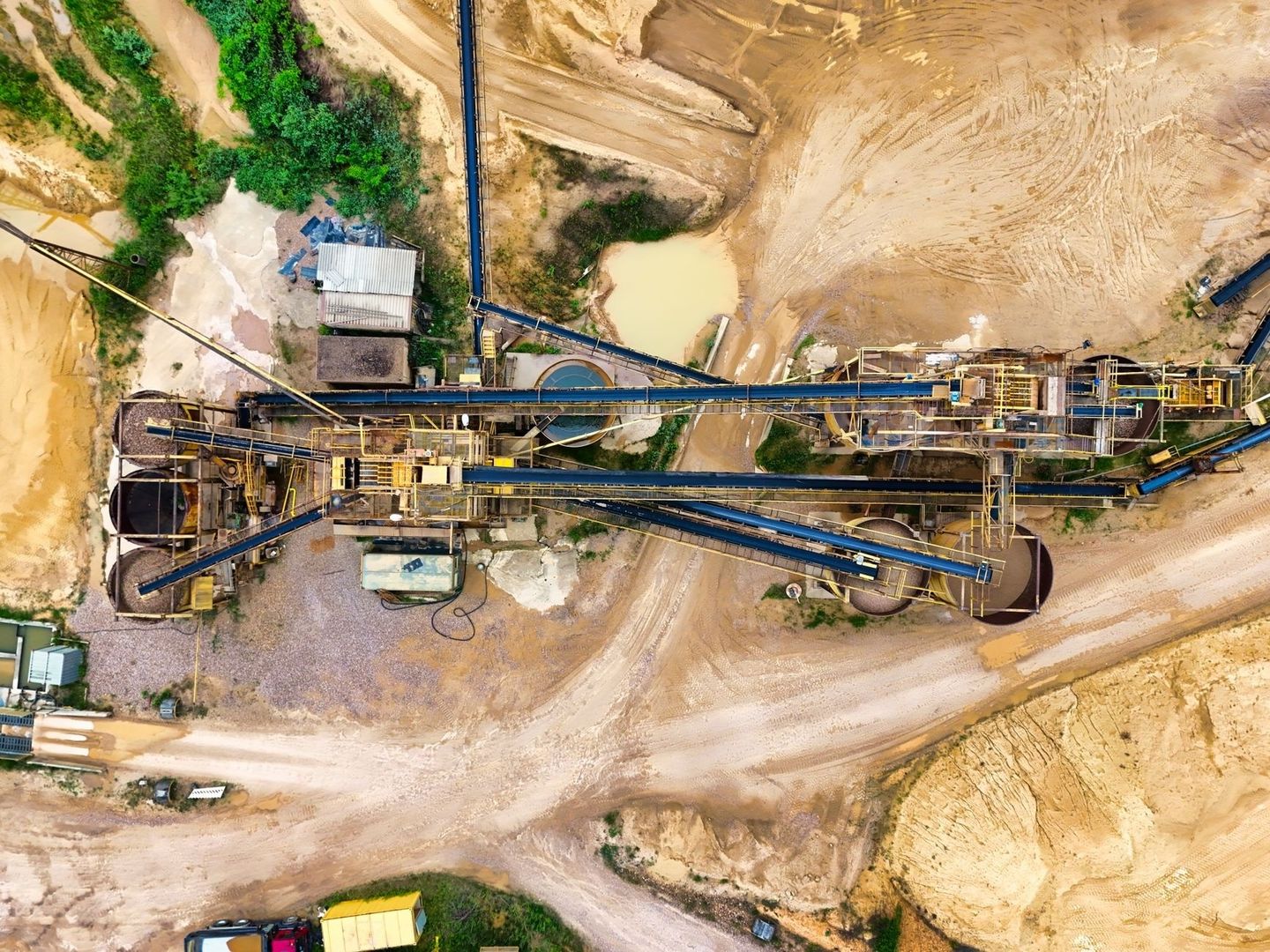
Aerial view of a mineral processing plant with conveyors and settling ponds
Mining creates strategic value only when refining capacity can reliably convert raw material into products that meet industrial specifications. Building that midstream capability requires coordinated infrastructure, expertise, and long-term market support.

Legislative Ambition Meets Chemical Reality

Policy ambition is moving faster than industrial execution. The European Union”s European Critical Raw Materials Act establishes 2030 benchmarks that include at least 10 percent of annual consumption from extraction, 40 percent from processing, and 25 percent from recycling. It also seeks to limit dependence on any single third country to 65 percent for a strategic raw material. These targets correctly recognize that mining, processing, recycling, and risk management must be treated as one value chain.

The difficulty is that statutory benchmarks do not automatically create the operating conditions required to meet them. Environmental permitting can take years, particularly for plants handling acids, solvents, radioactive residues, or large wastewater streams. Local authorities and communities scrutinize traffic, water use, emissions, tailings, and emergency procedures. Even when a project is designated strategic, the engineering, procurement, construction, commissioning, and qualification sequence remains difficult to compress.

Processing projects also face a cost structure that policy documents can understate. Reagents can represent a major portion of operating expenses, and prices may rise sharply when a facility is located far from chemical manufacturing clusters. A plant must achieve consistent recovery, purity, throughput, and environmental compliance at the same time. The principal barriers include:

  • Long permitting and environmental-review timelines that delay revenue while financing costs accumulate.
  • Dependence on imported acids, solvents, extractants, membranes, and specialized equipment.
  • Limited pools of operators with experience in continuous hydrometallurgical and solvent-extraction systems.
  • Qualification requirements from battery, automotive, aerospace, and defense customers.
  • Exposure to commodity-price cycles before the facility reaches stable commercial output.

The policy challenge is therefore not simply a shortage of money. It is a shortage of synchronized industrial capability. A refinery must be designed around the mineral feed, connected to reliable utilities, supplied with chemicals, staffed by experienced operators, and protected against weak prices during its ramp-up period. Treating the process as a conventional infrastructure project risks producing plants that exist physically but cannot compete economically.

The Harsh Commercial Realities of Midstream Facilities

Recent operating decisions show why public capital and strong strategic narratives cannot guarantee commercial viability. Albemarle announced in 2026 that it would idle Train 1 at its Kemerton lithium hydroxide plant in Western Australia and place it into care and maintenance. Train 2 had already been idled in 2024, while expansion plans for Trains 3 and 4 were canceled. The decision followed prolonged lithium-price volatility and continuing challenges in Western hard-rock lithium conversion.

The Kemerton case is significant because the facility is connected to a major upstream resource. Albemarle has an ownership interest in the Greenbushes mine and half offtake rights through an Australian joint venture, yet access to feedstock did not protect the conversion trains from weak economics. The company said the move would improve financial flexibility and raise adjusted EBITDA beginning in the second quarter of 2026, while customer lithium hydroxide demand would be supplied through other production channels. Mining assets remained part of the company”s strategy, but local conversion capacity was reduced.

This distinction matters for investors. A refinery may be strategically valuable while still destroying cash during a market trough. High capital expenditure per metric ton creates a fixed-cost burden that becomes especially painful when product prices fall. Commissioning also tends to be nonlinear. Small problems with impurity control, filtration, crystallization, heat integration, or equipment availability can reduce saleable output far more than a simple nameplate calculation suggests.

Midstream risk Commercial consequence
Large fixed capital base High depreciation and financing costs continue even when utilization falls
Complex commissioning Delayed ramp-up postpones revenue and extends the period of negative cash flow
Commodity-price volatility Product prices can fall below the plant”s full operating and capital cost
Feedstock variability Changing mineral chemistry can reduce recovery, purity, and throughput
Limited customer qualification Material may be produced but remain unsellable into premium applications

Upstream and midstream economics can therefore diverge sharply. A mine may remain attractive because of its orebody, low extraction cost, or strategic ownership position, while a conversion plant is idled because the market can source chemicals more cheaply from established processors. Subsidizing construction without underwriting utilization leaves new facilities exposed to precisely this imbalance.

The Separation Science Disadvantage and Reagent Dependencies

Rare-earth processing illustrates the technical depth of the problem. Rare-earth ions are chemically similar, which makes them difficult to separate at high purity. Deposits may contain only 2 to 4 percent valuable rare earths, requiring beneficiation, energy-intensive treatment, acid leaching, impurity removal, and extensive solvent extraction. According to reporting by Chemistry World, hundreds of consecutive solvent-extraction cycles may be necessary to separate individual elements effectively.

Each stage introduces opportunities for loss, contamination, equipment failure, or unstable chemistry. A flowsheet optimized for neodymium and praseodymium may produce unwanted lanthanum, cerium, or other elements with limited value. Some streams can carry negative value if disposal, storage, or treatment costs exceed potential revenues. That means the economics depend not only on recovering the desired elements but also on managing every secondary stream safely and affordably.

Incumbent processors possess advantages that are difficult to purchase through a single project grant. They often have established sources of sulfuric acid, hydrochloric acid, caustic soda, extractants, and other reagents. They may also operate integrated wastewater systems and disposal networks for radioactive byproducts such as thorium and uranium residues. Mature industrial clusters reduce transport costs and allow operators to share laboratories, maintenance contractors, chemical suppliers, and technical personnel.

Alternative technologies could reduce these burdens, but commercial readiness remains uneven. Direct lithium extraction, specialized chromatography, membranes, and selective electrodialysis may shorten flowsheets or improve recovery. Standard Lithium, for example, reports that its Arkansas demonstration plant has processed 1 million barrels of live brine and completed more than 15,000 cycles, with reported lithium recovery above 95 percent and rejection of key contaminants above 99 percent. Those results are encouraging, but demonstration performance is not equivalent to proven project-level economics.

  1. Validate recovery and purity across changing feed chemistry rather than a narrowly controlled test stream.
  2. Prove continuous operation at commercial throughput, including maintenance, fouling control, and equipment replacement.
  3. Establish reagent, membrane, adsorbent, and waste-treatment costs under full-scale operating conditions.
  4. Secure customer qualification for the resulting product and demonstrate acceptable quality over sustained deliveries.
  5. Show that the complete system can survive commodity-price downturns without relying indefinitely on grants.

Research into biological ion channels and kinetic separation methods shows that alternatives are advancing. One experimental artificial membrane channel demonstrated a 140-fold preference for terbium over lanthanum and a 70-fold preference over ytterbium in preliminary testing. Yet small-scale selectivity does not resolve industrial questions involving membrane life, fouling, module design, feed pretreatment, energy use, and replacement costs. The midstream disadvantage is therefore both chemical and organizational: the technology must work, and the surrounding supply system must support it.

Regulatory Deadlocks and Strategic Trade Distortions

Market power compounds the technical challenge. Dominant refiners can expand output, redirect exports, or tolerate lower margins in ways that new facilities cannot. Export controls can restrict access to separated materials and magnets, while surplus chemical capacity can suppress prices in the very markets where rival projects need stable margins. This creates an asymmetric commercial test: new plants must recover capital at market prices, while incumbent systems may be supported by broader industrial, financial, or strategic objectives.

Recent restrictions on heavy rare earths and permanent magnets have demonstrated how quickly a processing bottleneck can affect defense, semiconductor, automotive, and aerospace supply chains. Analysis from the Center for Strategic and International Studies describes a U.S. and allied response involving mining, processing, recycling, refining, magnet manufacturing, price floors, offtake agreements, stockpiling, and procurement commitments. The scale of that response reflects an important shift, but the same analysis emphasizes that resilient production requires years of coordinated execution rather than announcements or one-time capital deployment.

Allied industrial policies still lack consistent mechanisms for preventing a new refinery from being crushed by a targeted price cycle. A grant may pay for construction, but it does not guarantee that the plant will run at high utilization while global prices are depressed. Nor does it ensure access to feedstock, chemical inputs, or qualified workers. Without coordinated support, projects can become stranded assets just as they reach commercial operation.

  • Price floors or contracts for difference can protect strategically important output during defined stress periods.
  • Long-term offtake agreements can improve debt capacity and provide a credible route to market.
  • Strategic stockpiles can create demand for material that is temporarily more expensive than imports.
  • Public procurement can support qualification of domestic products in defense and infrastructure applications.
  • Coordinated permitting can reduce duplicated reviews without weakening environmental safeguards.

Environmental compliance remains a legitimate requirement, but fragmented processes create a lead-time disadvantage against state-directed competitors. Institutional research on European supply-chain vulnerability, including the European Parliament briefing on critical raw materials, highlights the policy tension between sustainability standards, import dependence, and the need for domestic processing capacity. If approvals, grid connections, chemical permits, and customer qualification proceed sequentially, a project may take years longer than an overseas competitor with integrated administrative control.

Building Resilient Midstream Industrial Architecture

Capital subsidies remain useful, particularly for first-of-a-kind plants, but they address only one part of the risk profile. A refinery can receive construction support and still face sustained operating losses caused by reagent volatility, low utilization, product discounts, waste-treatment costs, and weak mineral prices. The experience of Kemerton demonstrates that upstream ownership does not eliminate conversion risk, while rare-earth separation shows that technical complexity persists long after a facility is built.

A more durable strategy would combine capital support with long-term price floors, credible offtake, strategic inventories, and centralized chemical-processing hubs. Governments could concentrate difficult capabilities near reagent suppliers, ports, laboratories, waste-treatment systems, and skilled labor markets. Regulatory streamlining should focus on parallel reviews, clear decision deadlines, and shared technical standards, while maintaining rigorous controls for water, emissions, hazardous chemicals, and radioactive residues.

The strategic objective is not to duplicate every stage of the dominant processing system in every jurisdiction. It is to create enough diversified, commercially durable capacity that a single supplier cannot dictate terms during a geopolitical shock. That requires integrated mine-to-chemical planning, not isolated mine announcements. Investors should watch utilization rates, reagent contracts, product qualification, operating cost per ton, recovery stability, and cash breakeven under conservative prices.

Mineral security will ultimately be decided inside high-throughput chemical plants. The countries that master separation science, logistics, waste management, and continuous operations will capture the strategic value of critical minerals. Subsidies can open the door, but only resilient midstream architecture can keep it open when prices fall, regulations tighten, and geopolitical pressure tests the supply chain.

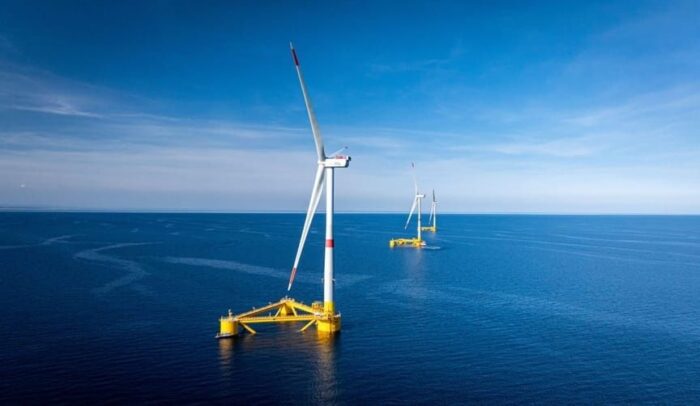
Floating offshore wind turbines standing in the open ocean

Transmission Bottlenecks: The Hidden Hurdle Facing Offshore Wind Expansion

Why Turbine Ambition Outpaces the Grid

Offshore wind policy is still being written in gigawatts. Governments are setting aggressive capacity targets, auctioning seabed areas, and treating larger turbines and deeper-water development as central tools for decarbonizing electricity systems. Yet the constraint increasingly sits somewhere less visible than the turbine foundation or the lease boundary. The critical question is whether electricity can move from remote marine generation zones into the onshore network at the required scale and on the required schedule.

That transmission challenge is becoming an operational bottleneck rather than a technical footnote. Developers may have a permitted project, a turbine supply agreement, and a route to market, but still lack certainty that the export cables, offshore converter platforms, onshore substations, and grid reinforcements will be available when construction is complete. The result is a widening gap between generation ambition and delivery capability. For investors, that gap translates into schedule risk, higher contingency costs, and greater uncertainty over revenue commencement.

The timing mismatch is particularly damaging because offshore wind projects are long-cycle assets. A delay in a single transmission component can postpone commissioning of an entire wind farm, while auction rules and power purchase arrangements may continue to impose financial obligations. If national targets are built around nominal turbine capacity rather than deliverable grid capacity, governments risk overstating the pace of decarbonization. The central infrastructure problem is therefore not simply how to build more turbines, but how to synchronize marine generation with an increasingly scarce transmission supply chain.

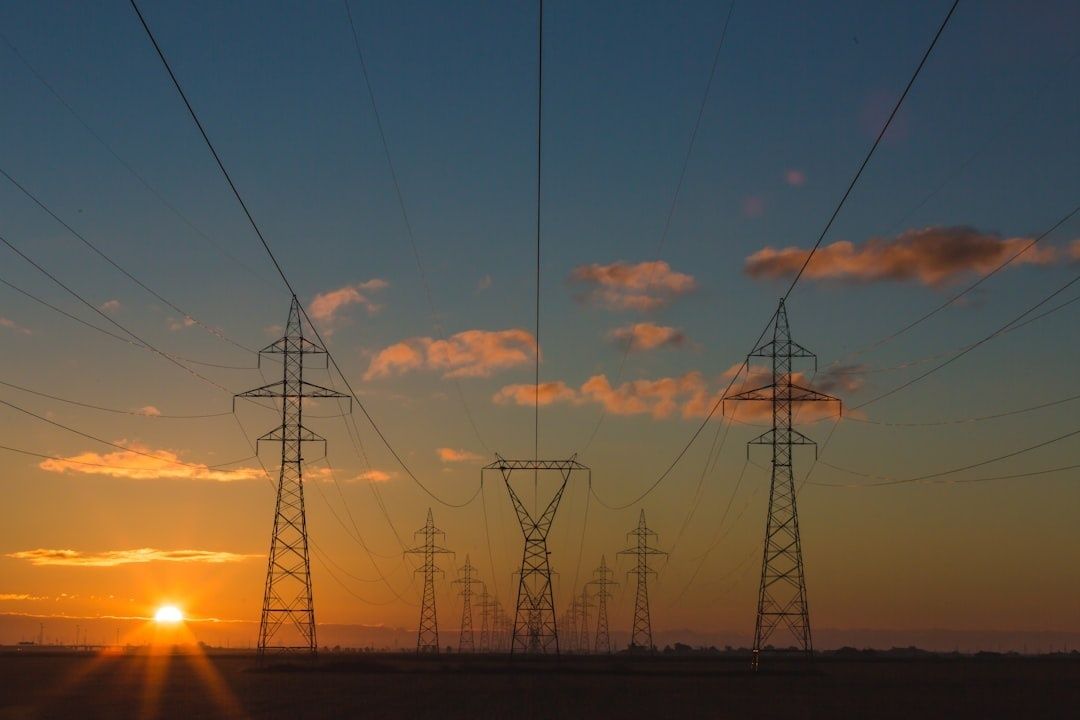
High-voltage transmission towers and power lines silhouetted at sunset
Offshore wind can only contribute to decarbonization at scale when transmission infrastructure expands quickly enough to deliver its power to consumers.

The Subsea Cable Crunch and Twelve-Year Order Queues

High-voltage direct-current, or HVDC, systems have become increasingly important as offshore wind farms move farther from shore and expand into larger development clusters. HVDC can reduce transmission losses over long distances and is often better suited to moving very large volumes of electricity from distant offshore hubs. But the market for the specialized cables and converter equipment required by these systems is narrow. Manufacturers are reporting order books extending beyond a decade in some segments, with production capacity heavily committed through the late 2020s.

The shortage reflects several constraints operating at the same time. Only a limited number of companies have the engineering capability, testing facilities, and manufacturing lines needed for long, high-voltage subsea cables. Copper prices and other raw-material costs have increased the financial exposure of fixed-price contracts, while skilled labor, factory expansion, and certification requirements limit how quickly capacity can be added. A review by offshore cable manufacturers describes historical order backlogs as demand accelerates across continents.

The bottleneck extends beyond factories. The global fleet of specialized cable-laying vessels numbers only slightly more than 60, and many vessels are aging. Those ships serve offshore wind, interconnector, and data-cable markets, creating competition for installation windows. Longer cables, greater water depths, and higher voltage ratings also increase installation complexity, insurance requirements, and the consequences of a fault. A project that secures a manufacturing slot may still face a separate wait for the vessel needed to install the asset.

  • HVDC cable demand is rising faster than qualified manufacturing capacity.
  • Raw-material volatility complicates pricing, financing, and contract allocation.
  • A small supplier base gives utilities limited flexibility when schedules change.
  • Specialized installation vessels create a second bottleneck after factory delivery.
  • Uncertain delivery dates can weaken offtake, insurance, and final investment decisions.

These conditions are especially difficult for projects in early financing stages. Lenders and institutional investors need credible evidence that the export system will be delivered within the construction schedule, but cable manufacturers have little incentive to reserve capacity without firm commitments, advance payments, or long-term volume agreements. Utilities are responding with large procurement programs designed to secure cables, vessels, and associated equipment several years ahead of need. That strategy improves supply certainty for established transmission operators, but it can leave smaller developers and newer markets competing for residual capacity.

Anatomy of an Interconnection Bottleneck

An offshore wind connection is not a single cable order. It is a chain of interdependent assets, each with its own engineering, procurement, testing, and permitting requirements. The farther a project sits from shore, the more likely it is to require HVDC rather than conventional high-voltage alternating current. Offshore converter stations then transform the electricity for transmission, while onshore converter stations and substations must integrate that power into networks that may already be congested.

Transmission element Primary role Critical dependency Typical delay consequence
Subsea HVDC cable Moves high-volume electricity over long marine distances Specialized factories, copper, testing, installation vessels Wind farm commissioning postponed or export capacity reduced
Offshore converter station Converts offshore AC output into HVDC transmission Power electronics, heavy fabrication, limited supplier base Completed turbines remain unable to export power
Onshore converter station Converts HVDC back to AC for the transmission network Land, permits, transformers, grid-code compliance Energy reaches shore but cannot enter the grid at full output
Onshore substation and reinforcements Raises or manages voltage and distributes power inland Planning approval, land access, system studies Congestion, curtailment, or delayed connection date

The offshore converter station is often the least visible critical path. As described in a benchmark from Aegir Insights, HVDC offshore substations involve longer production cycles and a smaller supplier base than HVAC systems. More than 60 gigawatts of North Sea HVDC projects are targeting commercial operation in the early 2030s, meaning simultaneous demand could lengthen lead times beyond current averages. A delay in the platform can neutralize the value of a completed cable and installed turbine array.

Engineering complexity rises further when several projects share an offshore hub or are expected to participate in a future meshed grid. Equipment must satisfy multiple grid codes, protection systems, communications standards, and fault-management requirements. Onshore networks then need to absorb large, variable injections at locations that may not coincide with demand centers. Without coordinated network planning, each project can trigger a separate cycle of studies and reinforcement, creating cascading delays across an entire multi-gigawatt cluster.

Regulatory Friction and North Sea Grid Coordination Delays

Transmission scarcity is being amplified by policy uncertainty. Germany”s decision to postpone an offshore wind auction after an August 2025 tender attracted no bids illustrates how investors assess the complete delivery chain rather than the seabed opportunity alone. Industry representatives argued that existing auction conditions did not provide sufficient confidence on future returns, grid connection timing, and project economics. Reporting from Clean Energy Wire linked the decision to broader concerns over investment certainty and the risk of another unsuccessful tender.

The implications are material for Germany”s target of 30 gigawatts of offshore wind by 2030. Germany connected only 0.5 gigawatts in 2025, bringing installed capacity to 9.7 gigawatts. The industry association BWO has warned that approximately 20 gigawatts by the end of the decade may be more realistic under current conditions. That gap is not explained by turbine technology. It reflects the interaction between auction design, grid readiness, supply-chain availability, and the cost of capital.

Earlier warnings from Germany”s North Sea planning system show how transmission delays move through the project pipeline. The Federal Maritime and Hydrographic Agency indicated that the NOR-9-1, NOR-9-2, and NOR-11-2 grid connection systems could face commissioning delays of up to two years. The connections for areas auctioned in the later round were expected in 2031 rather than 2029, while NOR-11-2 shifted from the third quarter of 2031 to the fourth quarter. The affected systems serve development areas including N-9.1, N-9.2, N-11.2, and N-13.1.

  • Separate national auction calendars can conflict with shared regional manufacturing capacity.
  • Grid connection dates may change after developers have priced bids and secured financing.
  • Different national grid codes complicate equipment standardization and meshed-grid planning.
  • Unclear responsibility for anticipatory investment discourages early procurement.

The wider North Sea problem is jurisdictional. Belgium, Denmark, Germany, the Netherlands, Norway, and the United Kingdom are pursuing offshore wind at different speeds and under different regulatory models. Their transmission operators face a common ocean, a shared equipment supply chain, and increasingly interconnected power markets, but planning remains largely national. That fragmentation makes it difficult to build coordinated offshore hubs, share converter infrastructure, or procure standardized equipment at the scale required.

Strategic Reform to Harmonize Offshore Generation and Delivery

The first reform priority is to move from reactive interconnection toward anticipatory grid investment. Under a project-by-project model, transmission work often begins only after a developer has secured a lease or won an auction. That approach may appear to limit unnecessary spending, but it is poorly suited to offshore projects with decade-long equipment queues. Transmission system operators and governments need to identify likely development zones, reserve corridors, and begin permitting and procurement before every generation project reaches final investment decision.

Anticipatory investment does not mean building speculative networks without discipline. It means using regional scenarios, demand forecasts, hydrogen plans, interconnector strategies, and industrial policy to create a portfolio of transmission options. Cost allocation must be transparent, with rules that distinguish between assets serving a specific wind farm and infrastructure intended to support a wider offshore cluster. Clear allocation rules can reduce the hesitation that currently pushes every participant to wait for another party to move first.

Standardization is the second major opportunity. HVDC systems are often treated as bespoke projects, with different technical specifications, converter designs, protection schemes, and interfaces. Some customization will remain necessary, but excessive variation increases engineering hours, factory complexity, testing requirements, and procurement risk. Standardized substation modules, common interface specifications, and interoperable control systems could shorten production cycles and make it easier for multiple suppliers to compete.

  1. Regional transmission operators should publish coordinated, long-term equipment demand forecasts.
  2. Governments should create procurement frameworks that support advance orders without eliminating competition.
  3. Developers and suppliers should align technical specifications early, particularly for converter platforms and cable systems.
  4. National regulators should establish compatible grid codes and cross-border rules for shared offshore infrastructure.
  5. Public finance institutions should help cover the early capital requirements of factories, vessels, and testing facilities.

Coordinated procurement compacts could provide the strongest near-term signal to manufacturers. Transmission system operators across the North Sea and other emerging offshore regions could aggregate demand for cables, converters, transformers, and installation vessels. Long-term commitments, advance payments, and volume guarantees would allow suppliers to expand capacity with greater confidence. Industry analysis from Inverto”s supply-chain assessment emphasizes that utilities may need to become customers of choice by securing production volumes, purchasing directly from original equipment manufacturers, and collaborating on specifications.

That strategy also carries industrial and geopolitical implications. Concentration among a small number of suppliers creates exposure to factory outages, trade restrictions, cyber risks, and political disputes. Building additional manufacturing capacity in Europe, North America, and other strategic markets can improve resilience, although domestic production will not eliminate the need for global sourcing. The objective should be diversified capability, not autarky. Public support can be tied to workforce development, low-carbon materials, cybersecurity standards, and transparent delivery performance.

Aligning Policy and Cable Supply to Power the Energy Transition

Offshore wind expansion will be judged by delivered electricity, not by the number of turbines awarded in an auction or the gigawatts listed in a national strategy. Transmission readiness must therefore become a co-equal priority with generation volume. Cable factories, converter platforms, installation vessels, substations, and inland network reinforcements should be treated as core energy-transition infrastructure, with planning horizons that match the life cycle of offshore projects.

The risk is not limited to delayed construction. If transmission capacity arrives late or remains uncertain, offshore assets can face prolonged outages, curtailment, higher financing costs, and stranded-generation risk. The next phase of marine energy growth requires coordinated procurement, standardized engineering, credible auction design, and public-private capital capable of expanding the supply chain before demand peaks. North Sea coordination offers an immediate test. If governments and transmission operators can align across borders, offshore wind can evolve from a collection of national projects into a reliable regional power system. If they do not, the grid will continue to set the pace, regardless of how quickly turbines improve.

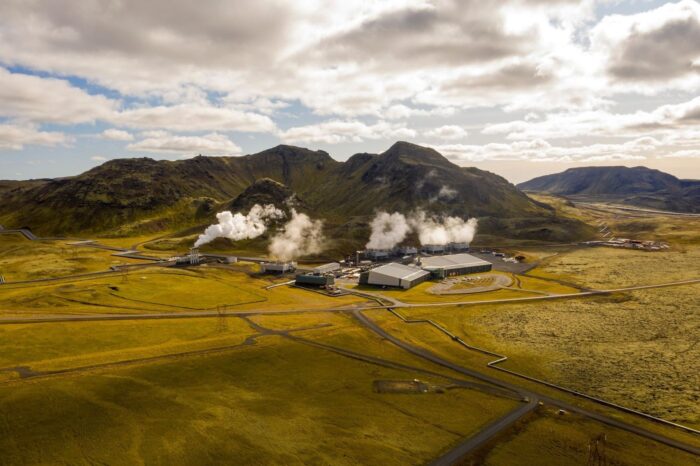
Geothermal power plant releasing steam beneath rugged volcanic mountains

Next-Generation Geothermal: How Advanced Drilling Is Unlocking Baseload Power

Redefining Baseload Power Deep Beneath the Surface

The next phase of the clean energy transition will be judged not only by how quickly wind and solar capacity expands, but by whether power systems can remain reliable when weather conditions are unfavorable. Electricity demand is rising as transport, buildings, industrial processes, data centers, and hydrogen production move toward electrification. That creates a structural need for firm, carbon-free generation that can operate around the clock and complement resources whose output varies with sunlight and wind. Geothermal power has long offered that profile, but its conventional form has been limited by geology. The most valuable resources tend to occur where heat, underground water, and naturally permeable rock coincide, often near tectonic plate boundaries and volcanic zones.

Advanced geothermal technologies are changing the geographic equation. Directional drilling, high-temperature sensors, reservoir modeling, and controlled stimulation can be used to create or improve underground heat exchangers in hot rock that lacks sufficient natural permeability or fluid. The U.S. Department of Energy”s geothermal program describes enhanced geothermal systems, or EGS, as engineered reservoirs designed to circulate fluid through hot rock and bring heat to the surface. If technical performance and project economics improve as expected, geothermal could move from a geographically constrained resource to a repeatable infrastructure platform serving regions far from traditional hydrothermal fields.

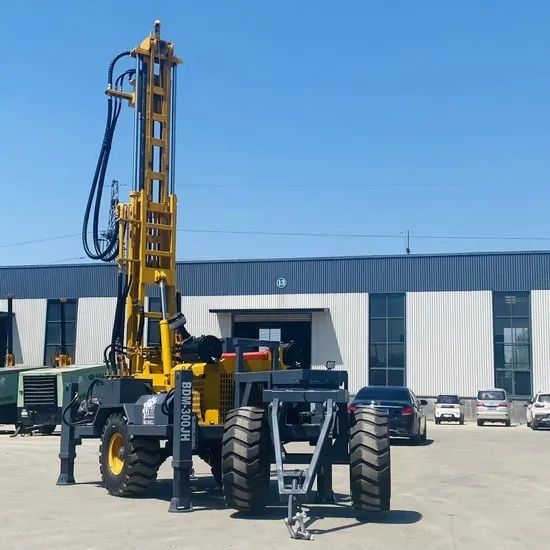
Mobile industrial drilling rig parked outside a warehouse
Advanced drilling is the gateway to broader geothermal deployment, making it possible to reach hot rock beyond the limited zones served by conventional hydrothermal resources.

The Technology Transfer from Oil and Gas to Hot Dry Rock

Next-generation geothermal draws heavily on capabilities developed for unconventional oil and gas. In petroleum operations, horizontal wells extend the contact area with a target formation, while hydraulic stimulation creates connected pathways through low-permeability rock. EGS applies related concepts to crystalline basement or other hot formations, although the commercial objective is fundamentally different. Instead of extracting hydrocarbons, operators inject water, recover heated fluid, and repeatedly circulate that fluid through a subsurface reservoir.

The basic engineering sequence involves drilling an injection well and one or more production wells, placing the wellbores at depth, and connecting them through a stimulated volume of rock. Pressure is then managed to open existing fractures or create new conductive pathways. Water moves through that network, absorbs heat from the surrounding formation, and returns to the production well at temperatures suitable for electricity generation or direct industrial heat. Surface facilities transfer thermal energy to a power cycle, commonly an organic Rankine cycle in lower-temperature applications, while the cooled fluid is reinjected.

The objective is not simply to fracture as much rock as possible. A commercially useful reservoir must provide sufficient flow, maintain thermal contact, avoid excessive fluid loss, and sustain production over many years. That makes reservoir control a central challenge. Petroleum stimulation often seeks to maximize short-term hydrocarbon flow from a targeted zone. Geothermal circulation instead requires a durable, distributed heat exchanger that balances permeability with containment and limits pressure changes that could trigger unwanted seismic activity.

  • Well architecture: Horizontal and multilateral wells can increase contact with hot formations and create more opportunities for fluid circulation.
  • Reservoir engineering: Microseismic data, tracer testing, pressure measurements, and numerical models help map how injected fluid moves underground.
  • Temperature management: Drilling materials, cement, electronics, pumps, and downhole tools must withstand higher temperatures and corrosive fluids than many petroleum applications.
  • Operational objective: The project must sustain heat extraction and reinjection over a long operating life rather than optimize a finite hydrocarbon recovery profile.

Recent drilling innovation is particularly important because well construction can dominate geothermal capital expenditure. Faster drilling, improved bit durability, advanced casing designs, and better high-temperature measurement tools could reduce the cost per installed megawatt. Existing oil and gas infrastructure, service companies, geological data, and workforce capabilities may also provide a bridge into geothermal, although adaptations are necessary. Geothermal wells are often deeper, hotter, and exposed to different chemical conditions, so petroleum expertise is an enabling foundation rather than a complete off-the-shelf solution.

Conventional Hydrothermal Versus Enhanced Geothermal Systems

Conventional hydrothermal plants rely on a naturally favorable subsurface combination. The reservoir must be hot enough to produce useful thermal energy, contain or connect to enough fluid, and possess sufficient permeability for commercial flow rates. When those conditions occur together, development can be highly effective. Wells tap naturally circulating hot water or steam, and the resource can deliver stable output with a relatively small surface footprint. The limitation is that these geological combinations are unevenly distributed, making conventional geothermal development concentrated in places such as Iceland, Indonesia, parts of East Africa, New Zealand, the western United States, and other tectonically active regions.

EGS changes the development model by treating the reservoir as an engineered system. Heat can be available in many more locations, but operators must create the permeability and manage the fluid circulation required to access it. Closed-loop designs take a different approach by circulating fluid through sealed wellbores or underground heat exchangers, potentially reducing dependence on natural fractures and limiting interaction with formation fluids. Superhot geothermal concepts aim to access much higher-temperature resources, which could increase energy output per well but also introduce substantial materials, drilling, and control challenges.

Factor Conventional hydrothermal Enhanced geothermal systems
Geographic availability Concentrated where heat, fluid, and natural permeability coincide Potentially broader, provided sufficiently hot rock can be drilled and engineered
Reservoir condition Natural hot-water or steam reservoir Hot rock with permeability and circulation pathways created or improved by stimulation
Initial capital intensity Often lower subsurface engineering risk where resource quality is proven Higher early-stage drilling and reservoir-development risk, with potential cost reductions through repetition
Surface footprint Compact generation facilities and well pads Also potentially compact, although additional wells, monitoring, and surface equipment may be required
Resource lifecycle Can decline if production exceeds natural recharge or reinjection is poorly managed Depends on reservoir design, flow balance, thermal drawdown, and long-term reinjection performance
Primary technical risk Resource confirmation and sustainable reservoir management Drilling cost, fracture control, fluid loss, induced seismicity, and maintaining productive circulation

The comparison matters for investors because EGS shifts risk toward the front end of the project. Conventional projects can still face expensive exploration failures, but naturally productive fields provide a clearer technical pathway once confirmed. EGS projects must prove that an engineered reservoir can be created at commercial scale and operated without excessive water loss or declining output. The upside is a larger addressable market and a design that could become more standardized. The economic question is whether repeated drilling and stimulation can produce a reliable learning curve similar to the cost reductions achieved in other modular energy technologies.

Economics, Grid Integration, and Overcoming the Scaling Bottleneck

Next-generation geothermal currently faces a cost problem before it faces a demand problem. Drilling several deep wells, managing high-temperature equipment, and proving a productive reservoir can make early projects expensive on a levelized cost of energy basis. Unlike wind and solar, geothermal does not benefit from a fully mature, standardized supply chain across all major components and geological settings. Financing is also sensitive to subsurface uncertainty. A project can have a strong power purchase agreement and a favorable site, yet still struggle to secure capital if reservoir performance remains unproven.

The investment case improves when geothermal is valued for what it contributes to the grid rather than compared only with the lowest-cost intermittent generation. A geothermal plant can provide steady output, capacity during periods of low renewable production, voltage support, and potentially flexible operation within technical limits. Its dependable profile can reduce the need for some combination of batteries, gas-fired balancing capacity, transmission overbuild, and curtailment. For large electricity consumers, particularly data centers and industrial facilities with high utilization rates, firm geothermal power may also reduce exposure to volatile wholesale markets and constrained grid connections.

  1. Prove the subsurface: Use staged exploration, pilot wells, and detailed reservoir characterization before committing to full field buildout.
  2. Standardize the development model: Repeatable well designs, stimulation protocols, monitoring systems, and modular power equipment can reduce engineering and construction costs.
  3. Price reliability appropriately: Capacity contracts, clean firm power procurement, and long-term offtake agreements can recognize the value of availability beyond energy-only pricing.
  4. Build a risk-sharing framework: Public drilling insurance, demonstration grants, loan guarantees, and shared geological data can lower the financing premium attached to early projects.
  5. Integrate safety into design: Baseline seismic surveys, traffic-light protocols, pressure controls, and transparent communication should be treated as core infrastructure rather than late-stage compliance tasks.

Induced seismicity is the most visible social and regulatory risk. Fluid injection changes underground pressure and can reactivate faults, although the scale and probability of seismic events depend on local geology, injection volumes, pressure management, and reservoir design. Effective projects require a dense monitoring network, a defined baseline, real-time interpretation, and clear thresholds for reducing or stopping operations. The objective is not to claim that risk can be eliminated, but to demonstrate that it can be detected and managed through disciplined operating procedures. Regulators and communities will likely judge projects on the credibility of those controls as much as on their emissions profile.

Scaling will also depend on industrial bottlenecks outside the wellfield. Transformers, drilling rigs, high-temperature pumps, specialty alloys, power electronics, and organic Rankine cycle equipment may become constraints if geothermal deployment accelerates. A Center for Strategic and International Studies analysis estimates that the global next-generation geothermal market could reach 120 gigawatts by 2035 and more than 800 gigawatts by 2050, while warning that supply-chain dependencies and concentrated equipment production could limit the pace of expansion. Those projections are not guaranteed outcomes, but they illustrate why manufacturing capacity and project finance must develop alongside subsurface technology.

Building the Subsurface Foundation of Modern Clean Grids

The commercial pathway for next-generation geothermal will be established through a sequence of increasingly credible demonstrations. Early projects must show that engineered reservoirs can deliver predictable flow, maintain useful temperatures, control water losses, and operate within acceptable seismic limits. The next step is not simply larger drilling campaigns, but repeatability across multiple geological settings. Evidence that a well design, stimulation approach, and power system can be transferred from one project to another would materially change how lenders, utilities, and industrial buyers assess the technology.

Policy will influence the speed of that transition. Permitting systems need to distinguish between geothermal development and conventional mining or oil and gas operations while retaining rigorous groundwater, seismic, and environmental safeguards. Public support for exploratory drilling can reduce the highest-risk portion of the capital stack, while long-term clean capacity contracts can give developers the revenue visibility required to finance fields. Industrial offtakers, utilities, and data center operators also have a decisive role. By signing bankable agreements for firm clean power and heat, they can help move geothermal from a technology demonstration into an investable infrastructure class.

The strategic case extends beyond emissions reduction. Geothermal resources are domestically anchored, less exposed to weather volatility than wind and solar, and potentially available in countries that currently import large quantities of fuel or electricity. A mature global supply chain could support energy security while creating new markets for drilling services, power equipment, geological software, and high-temperature materials. The central test will be whether advanced drilling can convert the enormous heat stored in ordinary hot rock into dependable, financeable output. If that test is met, the subsurface will become more than a source of occasional renewable generation. It will form a durable foundation for reliable, sovereign, round-the-clock clean power.

The Environmental Impact of Deep-Sea Mining: Challenges and Regulations

The Hidden Dilemma of the Deep: Environmental Impacts of Deep-Sea Mining

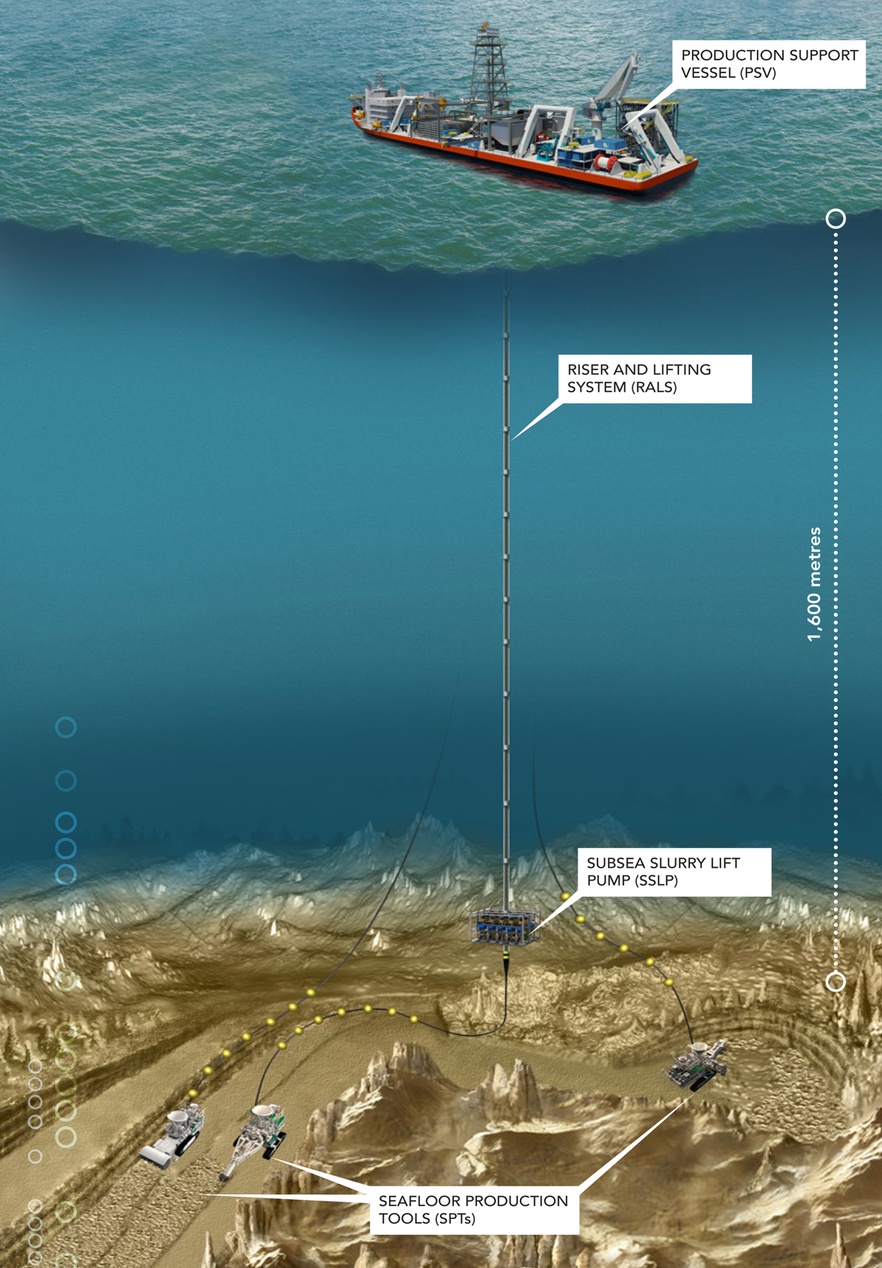
Deep-sea mining, an emerging industry focused on extracting minerals from the ocean floor, has become a focal point of environmental debate. While the demand for metals like copper, cobalt, and nickel is increasing, particularly for the green energy transition, concerns are growing about the potentially devastating consequences for the unique and sensitive ecosystems of the deep sea. This article explores the environmental challenges, complex regulations, and ethical dilemmas surrounding this controversial industry.

Ecosystems at Risk: Extensive and Long-Lasting Damage

The deep sea, Earth’s largest habitat, is home to incredible biodiversity, with many species yet to be discovered. Deep-sea mining threatens these ecosystems through direct habitat destruction, the release of sediment plumes, and noise and light pollution. Research conducted by organizations like GEOMAR, through the MiningImpact project, shows that the effects are long-lasting, impacting all levels of the ecosystem. GEOMAR is a German research institute that studies the chemical, physical, biological, and geological processes of the seafloor, oceans, and ocean margins. Faunal communities experience altered composition, reduced population densities, and decreased biodiversity for decades, perhaps even centuries. Ecosystem functions, such as productivity and microbial activity, are also significantly diminished.

The DISCOL project, initiated in 1989 in the Peru Basin, provided crucial insights. It simulated deep-sea mining disturbance. Even 26 years later, the ecosystem showed significant signs of disruption, with reduced bacterial activity in the plowed tracks, as shown in a study published in *Scientific Reports*.

Sediment Plumes: A Transboundary Threat

One of the most critical environmental aspects is the spread of sediment plumes generated during the mining process. These plumes can extend far beyond the immediate mining area, causing further damage to the seabed. They can smother filter-feeding organisms, disrupt food webs, and impact deep-sea species that communicate with bioluminescence. Research from the Monterey Bay Aquarium Research Institute (MBARI), a private, non-profit oceanographic research center, emphasizes that these plumes can affect areas far beyond the intended protection zones, threatening reefs, local fisheries, and tourism. MBARI’s research highlights the need to consider the entire water column, not just the seabed, in risk assessments.

Irreversible Loss of Biodiversity

Deep-sea mining risks causing irreversible biodiversity loss. Many species in the deep sea are unique and not yet studied. Mining hydrothermal vents, for example, would lead to the destruction of unique habitats and the extinction of organisms living there, many of which are not yet known to science. Strip-mining abyssal plains to extract polymetallic nodules is predicted to cause the extinction of species living on or in the sediment. The nodules themselves, which constitute important habitats, would be wiped out, leading to further species losses. The Deep Sea Conservation Coalition, an alliance of over 80 organizations, warns that this could be one of the largest industrial impacts on the planet.

The Labyrinth of Regulation: International Efforts and Challenges

The regulation of deep-sea mining is a complex and ongoing challenge. The International Seabed Authority (ISA), established through the United Nations Convention on the Law of the Sea (UNCLOS), is mandated to regulate deep-sea mining in international waters and ensure the protection of the marine environment. UNCLOS is an international agreement that establishes the legal framework for all marine and maritime activities. The ISA is currently developing a comprehensive Mining Code, which includes provisions for environmental impact assessments, spatial planning, and monitoring. However, the effectiveness of these rules in mitigating the full spectrum of environmental impacts is still subject to intense debate and scientific uncertainty. A recent *Nature* article highlights the ongoing struggle within the ISA.

Calls for a Moratorium and the Precautionary Principle

The inherent uncertainties surrounding the long-term environmental effects of deep-sea mining have led to calls for a moratorium. A growing coalition of scientists, industries, and governments advocates for a pause on deep-sea mining, emphasizing the precautionary principle. They argue that the current knowledge base is insufficient to adequately assess and manage the risks and that potential irreversible damage to deep-sea ecosystems outweighs the economic benefits of resource extraction. The National Oceanic and Atmospheric Administration (NOAA), a US scientific and regulatory agency, administers the Deep Seabed Hard Mineral Resources Act in the United States.

Alternatives and a Circular Economy

An important argument against deep-sea mining is that there are alternatives. A circular economy, focusing on recycling, reduced consumption, and improved product design, can reduce the need for new mineral resources. For instance, extending the lifespan of products and improving the recyclability of materials like those used in electronics can significantly decrease the demand for newly mined metals. Furthermore, responsible land-based mining, with improved environmental and social standards, may be a less harmful alternative. The Harvard International Review discusses deep-sea mining in relation to the green transition, highlighting the complexities of balancing resource needs with environmental protection.

Technological Advancements and their Impact

Technological advancements in deep-sea mining are rapidly evolving. These include remotely operated vehicles (ROVs) and autonomous underwater vehicles (AUVs) equipped with advanced sensors and imaging capabilities. While some technologies aim to improve the efficiency of mineral extraction, others are being developed to monitor and potentially mitigate environmental impacts. For example, improved plume modeling and real-time monitoring systems could help minimize the spread of sediment. However, the overall impact of these technologies remains uncertain, and their effectiveness in preventing large-scale ecosystem damage is still under scrutiny.

The Path Forward: Knowledge, Transparency, and a New Relationship with the Ocean

Deep-sea mining represents a crossroads. On the one hand, there is a growing demand for minerals; on the other, a potentially catastrophic environmental impact. Navigating this dilemma requires a combination of scientific research, transparent regulations, and a re-evaluation of our relationship with the ocean. More research is needed to understand deep-sea ecosystems and the long-term effects of mining. The regulations must be robust, adaptive, and based on the precautionary principle. Furthermore, a broader societal dialogue is needed, involving all stakeholders, including indigenous peoples and local communities dependent on the ocean.

Perhaps it is time to consider the concept of “Rights of Nature,” which recognizes the ocean as a subject of rights rather than a resource to be exploited. This could lead to a more holistic protection of the deep-sea environment and a more sustainable future for both humanity and the planet. Frontiers in Marine Science discusses the challenges of deep-sea mining from a broader perspective, including the ethical considerations and the potential for alternative approaches.

Using Digital Systems to Fight Pollution

Did you know the world is beginning to wake up to the fact that global warming will not go away any time soon? As the general public begins to understand the state of the environment, it puts more pressure on corporations to stop heavy pollution.

Environmental groups are more likely to make a bigger positive impact than one single person. They may further enhance their efficiency by taking advantage of digital communication. This will mean that they will not have to travel to meet up. As a result, their carbon footprint can be minimized.

Omnia As a Handy Tool

Environmentalists can better understand the benefits of document management system companies by visiting Omnia. It is a website full of useful information regarding modern systems. This will appeal to those who want to go beyond SharePoint and OneDrive. Omnia allows teams to network and share important data better. As a result, communication and efficiency are greatly improved.

It is not just environmental groups that can work to save the planet. Everyone can contribute by simply changing their habits. If they make a digital record of their own personal pollution, they may then devise a plan to reduce it.

The environmental group could share documents about the biggest polluting companies. This would help to prioritize which ones to protest. With Omnia intranet systems, one person can be made an administrator. They are given powerful tools to incentivize team members and keep them focused on the task at hand.

Embrace Sofa Covers, Save Trees

Everyone loves that wooden masterpiece, especially sofa sets. But did you know that the production of sofa sets takes a toll on our natural resources? Yes, to meet the demand, the sofa industry is causing severe deforestation and ends up releasing lots of pollutants due to the manufacture and transportation of foam (mattresses).

So, what’s the solution to this menace? Well, the answer is extending the life of our existing sofas. You find that many households get new sofas after 2-3 years because they are out of shape.

One of the best ways to extend the longevity of sofa sets is by getting sofa covers. Sofa covers, for example, an Ikea sofa cover will protect your sofa from spills and stains and upholstery from pet damage. Sofa covers can also give your home a new look.

By extending the longevity of our sofas, we will reduce the demand for sofas and, consequently, slow down the depletion of our natural resources.

Environmental Agency Workers and Augmentation

People who work for environmental agencies need to have high levels of confidence. Their role may focus on pollution as it is an issue that affects the whole world.

These people might choose to attain anatomical implants to increase their self-esteem levels. As a result, they could see a boost in their overall job performance.

The WHO has given out warnings about the scale of the global pollution problem. It is vital that environmental workers are as good as possible at their job. If so they will be able to get the message across more effectively.

Environmental Pollution

Understanding environmental changes

One of the issues today is that many people don”t really have a good understanding of the environmental issues that are facing the planet and it can be hard to encourage them to take an interest. Sometimes people are set in their ways and find it hard to develop new habits, but good habits can be developed and taught and it is so much easier if people understand why it is important to change.

Understanding climate change

These days it is much easier to understand the changes that are happening to the planet. There is a plethora of information available online but it can be tricky to know where to start. Simply using simple search terms such as “live greener” will find you a lot of sites that will tell you more about what and how to recycle, how to cut carbon emissions and the impact that this will have on the planet.

It is a good idea though to understand what you are trying to protect. There have been studies that show that people who spend more time outdoors are more likely to be interested in protecting it so why not make this your first step? Encourage the family to spend more time outside, taking walks in the countryside will show you how beautiful it can be but will also help you to see how it is being damaged. The destruction of woodland, the building of more roads and houses and the increased traffic are all contributing to the speed of climate change.

Think of the future

Anyone who regularly exercises outdoors will already have a good connection with nature. Making the effort to don gym leggings or trainers or other exercise gear a few times a week means that you already understand the benefits of fresh, clean air. Having the right exercise clothes is important as it will mean that the exercise is more comfortable and you will enjoy it more, making it far easier to maintain your connection with the environment.

Whether you choose to run, walk or cycle, getting closer to nature will help you to see how damaged it can be and can help to strengthen the resolve to make more small changes that will slow climate change. This could be something as easy recycling more or taking part in litter clearing campaigns. Everyone can make a difference if they want to.

Making Your Contribution to the Environment

Everyone knows how humans affect the environment but have you considered how you can play your part in helping to preserve the status quo? Global warming is a significant concern, but few people understand this complicated issue. With record temperatures and ever-increasing wildfires, as a result, it seems that this area of our lives is here to stay. Everyone needs to think of a way to decrease these extremes of temperatures around the world. America and Canada are currently experiencing record heatwaves, and scientists are convinced this is down to global warming. If you want to do something, why not consider setting up your own environmentally-friendly company? If you use a program such as Precisely, you will help save valuable resources to do your bit in this never-ending fight.

Why Use Precisely?

This computer package monitors all the stages of contract creation as well as employing some environmentally friendly processes. This online computer-based program can help you set up contracts with the minimum possible fuss. It avoids the need for costly amounts of resource sapping paper and stores everything in the cloud. Furthermore, it can save you expensive legal fees from employing costly lawyers by providing template-based contracts to suit every occasion. No more visits to lawyers since everything is to hand on Precisely.

Some of the features of this unique computer package include:

  • Setting up automated templates for frequently used contracts
  • Allowing employees to set up a contract without any legal experience
  • Sending the proper contract to a prospective employee or supplier automatically
  • Any contracts, once approved, can be signed by electronic means
  • Archiving any contracts on the cloud in a safe paper-free environment
  • Monitoring deadline dates automatically, making sure you never miss an expiry date

The benefits to the eco-system are that you can automate the entire life cycle of a contract, set reminders that alert you to any critical deadline dates, and access the cloud to store or retrieve any information. This means you will no longer have to rely on paper-based agreements and can employ less staff, thereby decreasing the carbon footprint of your business. You can book a demo online via their website, which means you can assess the effectiveness of Precisely without having expensive visits from sales staff.

Summary

Precisely can aid any company or business to achieve its objectives. As the global economy gets tighter, it is essential that you are on the ball with new technology. Reducing your costs and reliance on expensive legal procedures, costly paper storage, and reduced electricity consumption can help your company do your bit to save the world’s environment. Every little helps in improving the economic and eco-friendly nature of your operation. By using Precisely, you can rest assured that you are doing your bit. As their mantra states, this computer-based program provides contract management for the 21st century. Try it out now by visiting their website, and you won’t be disappointed.

Did You Know You Can Recycle These Things?

One of the reasons recycling is encouraged is that it is less expensive than the disposal of waste. It saves businesses, local municipalities, and households a lot of money. Another benefit of recycled commodities is energy conservation. Instead of sourcing new materials from the already depleted natural resources, companies can create products with the old matter. The energy required to create recycled products is far much less than what is needed to extract new materials. If only the whole world would make recycling a top priority; we would reduce emissions that cause adverse climatic changes. Check out 5 things you didn”t think could be recycled.

Toothbrushes

Many recycling centers take used toothbrushes, toothpaste tubes, and floss containers to make new products. When shredded and melted, they can form hard plastic which is useful in a variety of manufacturing projects.

Eyeglasses

Green eyewear receives many positive feedbacks from consumers and it is no surprise that recycled glasses are gaining popularity. Many sustainability organizations are turning their attention to fashion development through recycled materials and eyeglass manufacturers are no different. Collectors sort out the plastics for further processing to eliminate impurities and non-plastic parts. Then the plastic part is melted to form pellets that are used in the production of eyeglass frames.

Carpets

There are many ways to use worn-out carpets. For instance, an old rug can be upcycled into a comfy mat for the car footwell. They can also replace anti-frost windscreen covers during winter. If there is nothing left to do with an old carpet, donate them to an animal shelter where it can be used as mat kennels to keep the animals warm through the cold.

If you love DIY, there are many ways you can reuse old items to improve your home. Even a Christmas tree can be turned into a dining room décor when the festivities are over. Or take it to the recycling services near you for a quick fix. Stop throwing away just anything when reclamation facilities are everywhere in your county.